
ADDRESSING WATER ISSUES EARLY
April 02, 2026
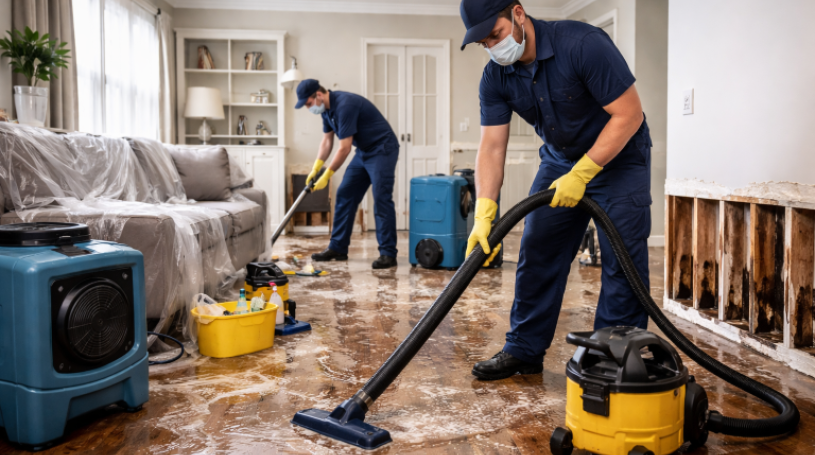
WATER MITIGATION
by Dusty Oliverson, ServiceMaster Restore
When a water emergency strikes—whether it’s from a burst pipe, a leaking appliance, or a sudden flood—the damage can escalate quickly. In these moments, many homeowners and property managers search for answers, often asking, what is water mitigation and how does it help? Water mitigation is the critical first step taken to stop the water damage in your home and prevent it from getting worse. It’s not the same as water damage restoration, which focuses on repairing and rebuilding after the fact. Mitigation is about immediate intervention—protecting your property, salvaging what can be saved, and halting further destruction. Acting fast not only protects your belongings and structural materials but can also save you significant time and money down the road. Let’s walk through what water mitigation involves, how it compares to restoration, and why it’s essential after any water-related disaster.
What Is the Meaning of Water Mitigation?
Water mitigation refers to the emergency actions taken to reduce or prevent further water damage following a leak, flood, or other water intrusion event. It’s the frontline response in the broader water mitigation and restoration process. The goal of mitigation is to control the situation quickly and stabilize the environment to make restoration possible. It often begins the moment a restoration company arrives on the scene, especially after events like:
- A burst pipe that floods a basement or kitchen
- Flooding due to heavy rain or sewer backup
- A leaking water heater or malfunctioning appliance
By addressing these issues promptly, water mitigation helps minimize long-term problems like structural deterioration, toxic molds, and extensive repairs.
What Happens During the Water Mitigation Process?
The water mitigation process is structured, fast-paced, and focused on minimizing loss. Here’s how trained professionals approach the situation step by step:
- Stop the Flow of Water - Before any other work begins, the source of water must be identified and shut off—whether it’s a plumbing issue, an overflowing appliance, or rising floodwaters.
- Assess the Water Damage in Your Home - Technicians inspect the property to understand the extent of water intrusion and identify affected materials. This helps them plan the safest and most efficient mitigation strategy.
- Remove Standing Water - Using industrial-grade water removal equipment, crews extract standing water from floors, carpets, and other surfaces. Quick water removal is key to limiting further saturation.
- Dry and Dehumidify Affected Areas - Specialized tools like air movers and dehumidifiers are used to dry the space and pull moisture from walls, floors, and furniture. This prevents mold growth and decay of porous materials like drywall and wood.
- Remove and Dispose of Damaged Materials - Materials that can’t be salvaged—such as soaked insulation, warped baseboards, or mold-contaminated carpeting—are carefully removed and discarded to ensure a clean, safe environment.
